Beginner Tips for Composting at Home: A Simple Guide
Composting at home is a fantastic way to reduce waste, enrich your garden soil, and help the environment. If you’re new to composting, it might seem a bit confusing at first, but with some simple tips and a little patience, you can turn everyday kitchen scraps and yard waste into nutrient-rich compost. In this guide, we’ll cover everything you need to know to get started with composting at home.
What is Composting?
Composting is the natural process of recycling organic material, such as food scraps and yard waste, into a dark, rich soil amendment called compost. This compost improves soil health, retains moisture, and provides essential nutrients for plants.
Why Compost at Home?
– Reduces Household Waste: Composting keeps food waste and yard debris out of landfills.
– Improves Soil: Homemade compost enriches garden soil naturally.
– Saves Money: Reduces need for chemical fertilizers.
– Supports the Environment: Helps lower greenhouse gas emissions.
Getting Started: Choose Your Composting Method
There are several composting methods to suit different lifestyles and spaces.
Backyard Composting Bin
This is the most common method for homeowners with outdoor space. You can buy a compost bin or make your own from wood pallets or wire.
Tumbler Composting
Compost tumblers are enclosed bins that can be rotated to mix the contents easily, speeding up the composting process. They’re great for those who want a cleaner, faster option.
Worm Composting (Vermicomposting)
This method uses worms to break down food scraps indoors. It’s perfect for apartment dwellers or anyone with limited outdoor space.
Composting Pile
Simply create a pile in your yard with organic waste. This method is free but requires more effort to maintain and turn the pile.
What to Compost: Greens and Browns
Successful composting depends on balancing two types of materials: greens and browns.
– Greens: These are nitrogen-rich materials like fruit and vegetable scraps, coffee grounds, grass clippings, and fresh garden waste.
– Browns: These are carbon-rich materials such as dry leaves, straw, shredded newspaper, cardboard, and small branches.
Aim for a ratio of about 2-3 parts browns to 1 part greens. This balance supports the microorganisms that break down the materials efficiently.
What Not to Compost
Avoid adding these to your compost bin:
– Meat, dairy, and oily foods (can attract pests)
– Diseased plants or weed seeds (risk spreading problems)
– Pet waste (may contain harmful bacteria)
– Synthetic chemicals or treated wood
Step-by-Step Composting Guide
1. Select a Spot
Choose a well-drained, shady or partly sunny area to place your compost bin or pile.
2. Start Your Pile
Begin with a layer of coarse materials like small branches or straw to help airflow.
3. Add Greens and Browns
Alternate layers of greens and browns. Chop or shred larger materials to speed decomposition.
4. Maintain Moisture
Keep your compost as damp as a wrung-out sponge. Water it if it becomes dry, and cover it during heavy rain.
5. Turn the Pile
Mix the compost every 1-2 weeks to aerate it, which helps speed up decomposition and reduce odors.
6. Be Patient
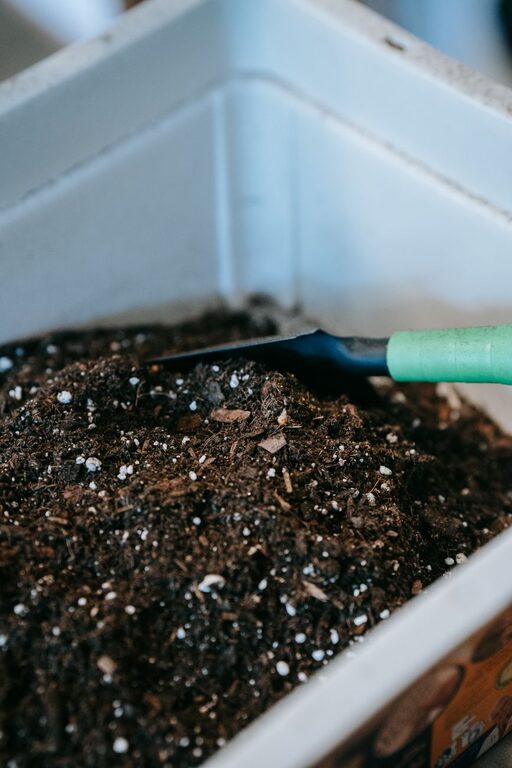
It can take several months to a year for compost to mature. Finished compost will be dark, crumbly, and smell earthy.
Troubleshooting Common Composting Issues
– Smelly Compost: Usually caused by too much green material or lack of air. Turn the pile and add more browns.
– Pile Too Dry: Add water and more green materials.
– Pile Too Wet: Add browns and mix to increase airflow.
– Slow Decomposition: Chop materials finer, add more greens, and turn more often.
Using Your Finished Compost
When your compost is ready, use it to:
– Enrich garden beds and flower pots
– Mulch around plants to retain moisture
– Improve lawn soil by spreading a thin layer
Compost provides your plants with vital nutrients and improves soil structure for healthier growth.
Final Tips for Composting Success
– Be consistent adding your compost bin with kitchen scraps and yard waste.
– Use a kitchen compost pail to easily collect scraps.
– Don’t add materials all at once; spread additions over time.
– Educate family members to ensure everyone contributes properly.
Conclusion
Composting at home is a rewarding and eco-friendly habit that benefits your garden and the planet. With the right balance of greens and browns, proper maintenance, and patience, you can create nutrient-rich compost to help your plants thrive. Start small, stay consistent, and enjoy the process of turning waste into valuable soil!
Happy composting!